


Experimenta 66
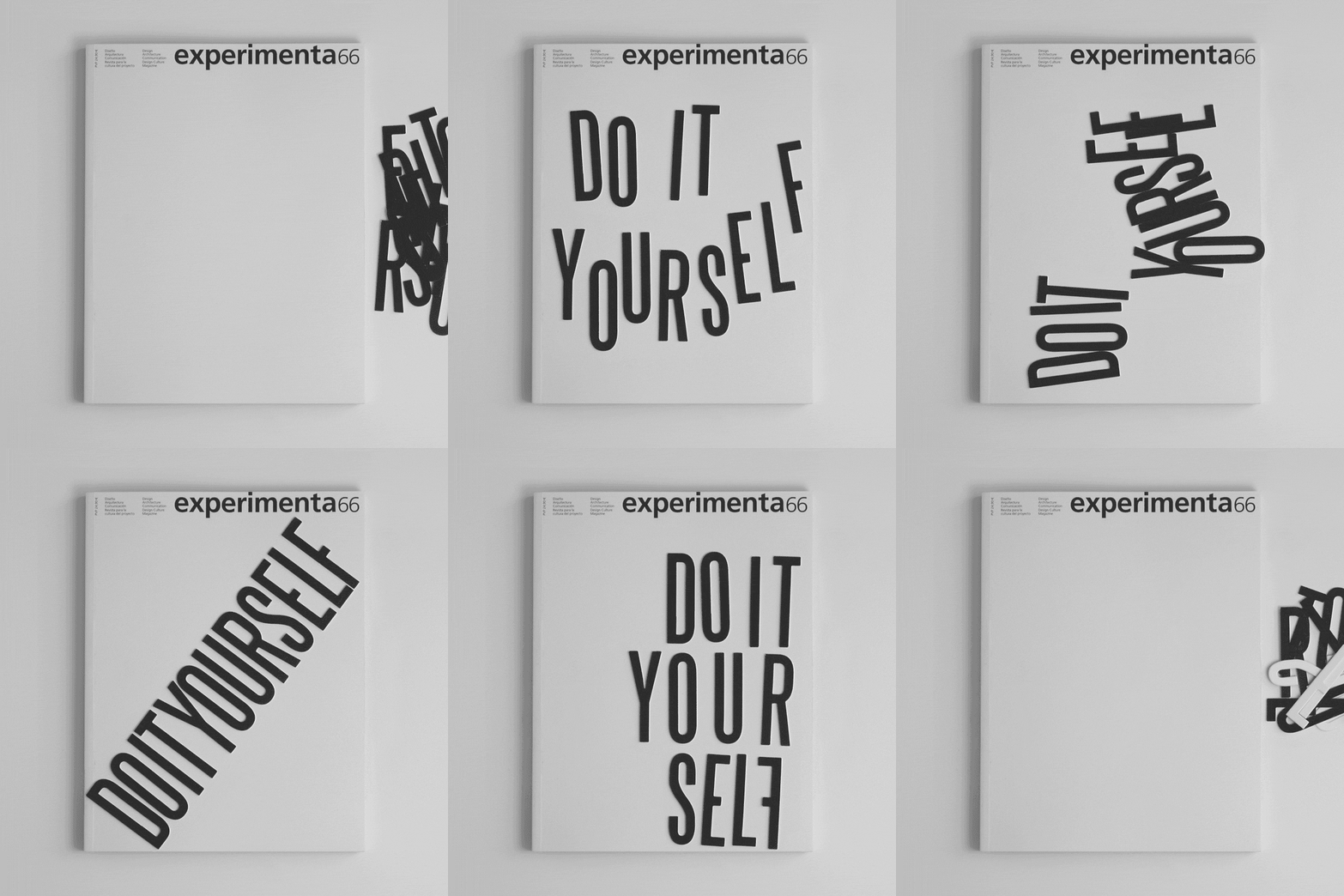
Experimenta’s editor and publisher, Pier Luigi Cattermole, asked us to design the first issue of the magazine’s new phase—a challenge we could hardly refuse. After three years as a digital-only publication, Experimenta returns to print. The magazine had paused at issue number 65, and from now on each edition will be dedicated to a specific theme, with the design commissioned from a different studio or designer.
The most remarkable aspect of this rebirth is that Experimenta remains unmistakably Experimenta, picking up exactly where it left off with issue number 66. For this reason, we approached the project with great respect for the magazine’s legacy, preserving two of its most recognisable features: the format and the masthead.
For the interior spreads, we worked in close collaboration with Experimenta’s long-standing designer, Antonio Rodríguez. Lavernia & Cienfuegos focused its contribution on the cover and the article openers. As this issue revolves around a do it yourself theme, we proposed that readers create their own covers: a blank canvas on which to compose the title DO IT YOURSELF using die-cut letters provided with the magazine, white on one side and black on the reverse.
We chose Steelfish as the typeface for its strong, bold character. The same typeface is used in the article openers, where the key word of each title is highlighted and serves as the starting point for the composition of the remaining page elements.
We are proud to have taken part, from the front line, in the rebirth of an editorial project that speaks, reflects, and breathes design—one that was never meant to disappear. Experimenta is dead. Long live Experimenta!
Gran Viña
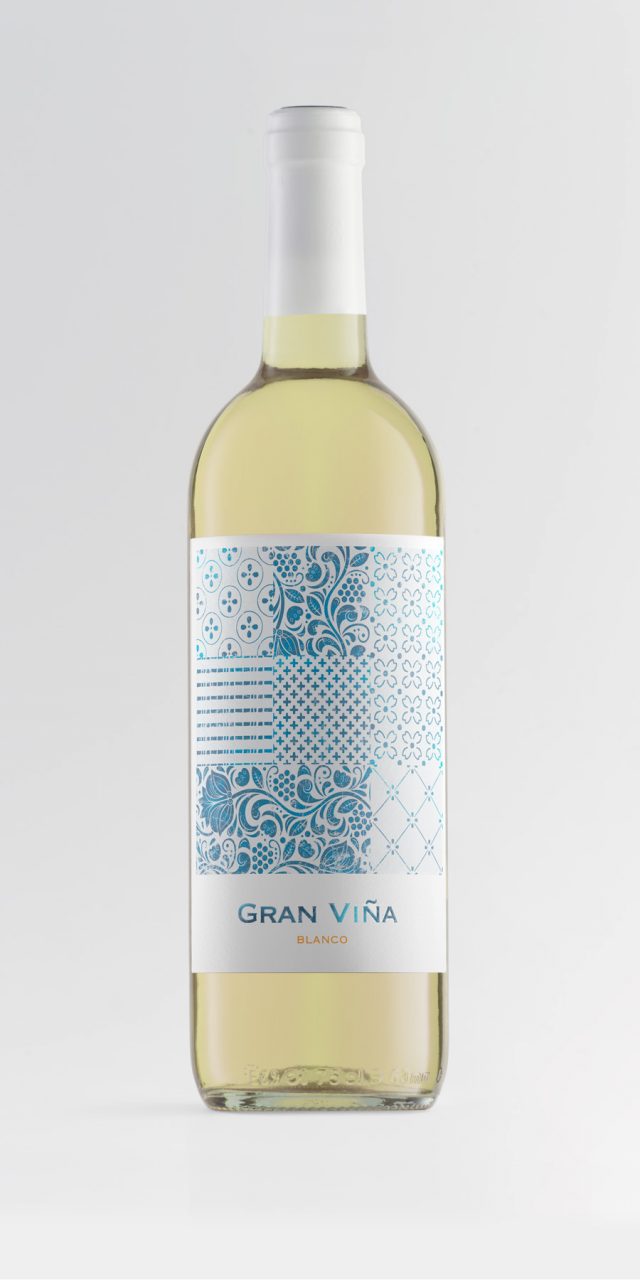
This is a family of humble, honest wines, made from grapes grown in the vineyards that lie behind the old farmhouse—the landscape the grandmother looked out onto from her kitchen every day. They are a tribute to that woman who prepared delicious jams and exquisite almond and caramel sweets, and who shared her afternoons with her grandchildren—the same grandchildren who now tend the vines and make this wine as a way of honouring her memory.
The label evokes the tiled walls of that kitchen, recalling those moments through a quiet visual language, much like a Proustian madeleine.
Magic Chic
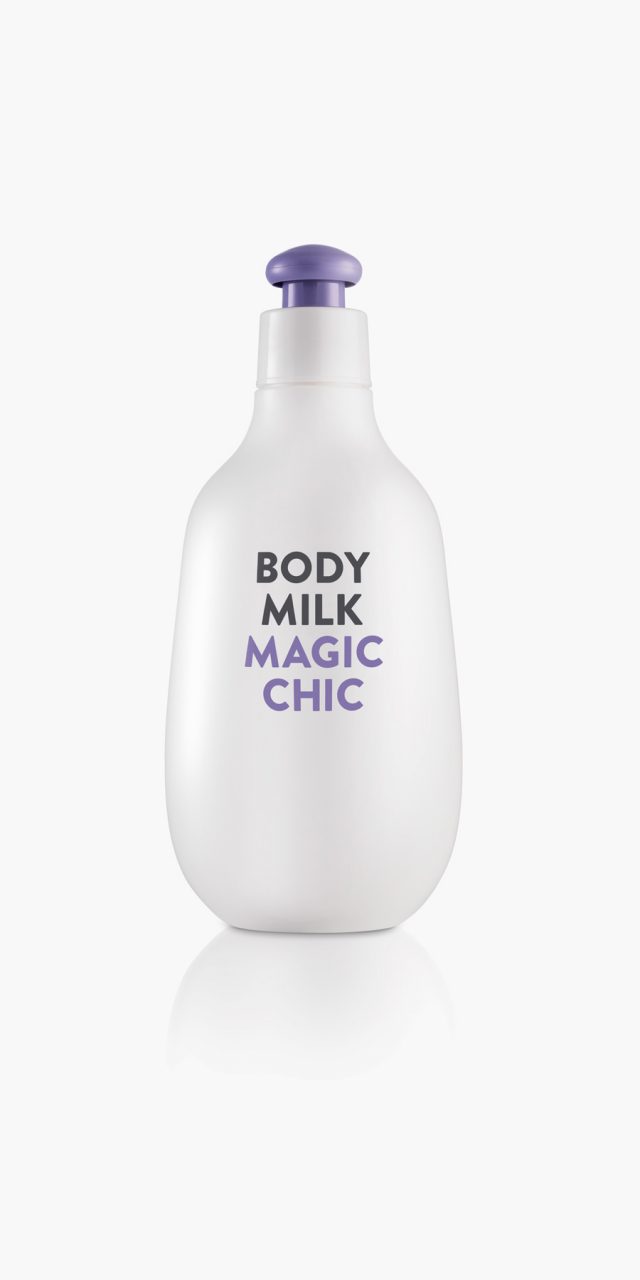
Magic Chic is a family of three products—bath gel, body milk, and cologne—aimed at a young audience. The brief called for something different from what was already on the market: less conventional, more playful; something that was not romantic and did not speak about ingredients or product benefits. It needed to be direct and immediately engaging.
This intention is expressed through a simple, emphatic two-dimensional graphic design, set in contrast with the bottle we designed: soft, friendly, and with an unusual shape, complemented by a highly functional cap—an uncommon feature in this type of product.
Zara Men VHS
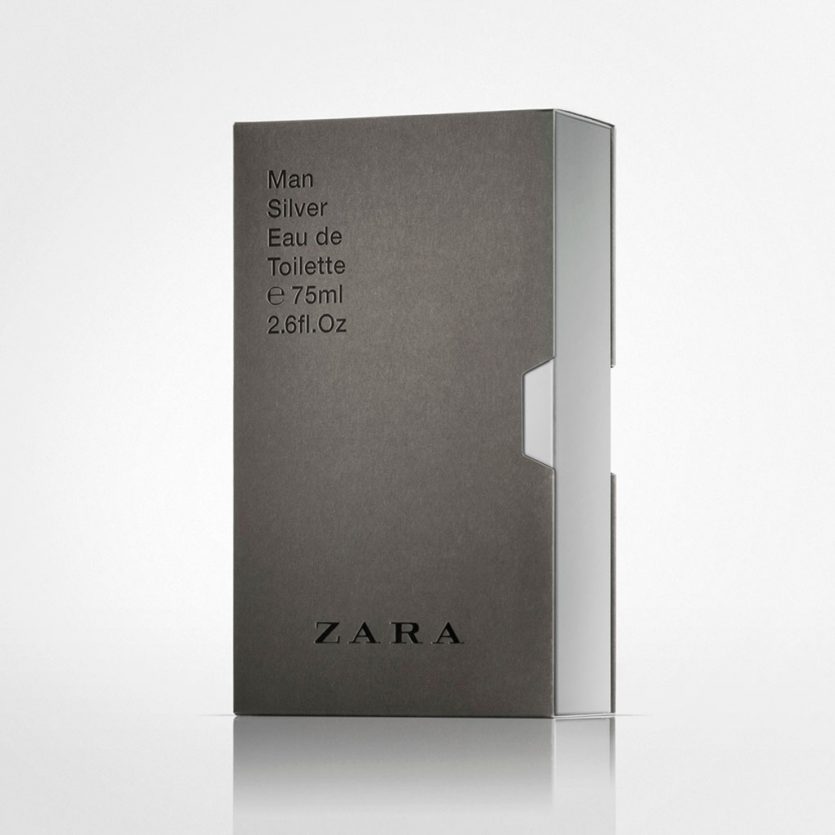
The brief called for a new design for the boxes and graphic system of most Zara men’s fragrances. The design needed to be neutral and versatile enough to accommodate not only existing fragrances, but also future editions to be added to the brand’s portfolio.
For the box structure, we chose a videotape case model adapted to the size of the bottle. This type of packaging allowed us to work with an outer sleeve and an inner box. From a graphic perspective, we opted for a classic typographic approach on the exterior, using Helvetica, a restrained composition, and sophisticated finishes: blind embossing, bas-relief, and gloss varnish applied to the lettering in contrast with the matte cardboard.
The first fragrances to feature the new design were the core classics: Silver, Uomo, and Blue Spirit. The exterior is finished in warm grey, while the inner box adopts the colour associated with each fragrance. This colour is revealed on the opening side—just like a videotape case—and through the thumb notch.
The system was later extended to the Cities line (cities where Zara is present), for which this packaging solution proved especially appropriate. In this case, the outer box is white, while the inner box is fully covered with an image of the city. As the inner box is gradually removed from the case, the image is progressively revealed, echoing the way travellers slowly discover a city as they explore it.
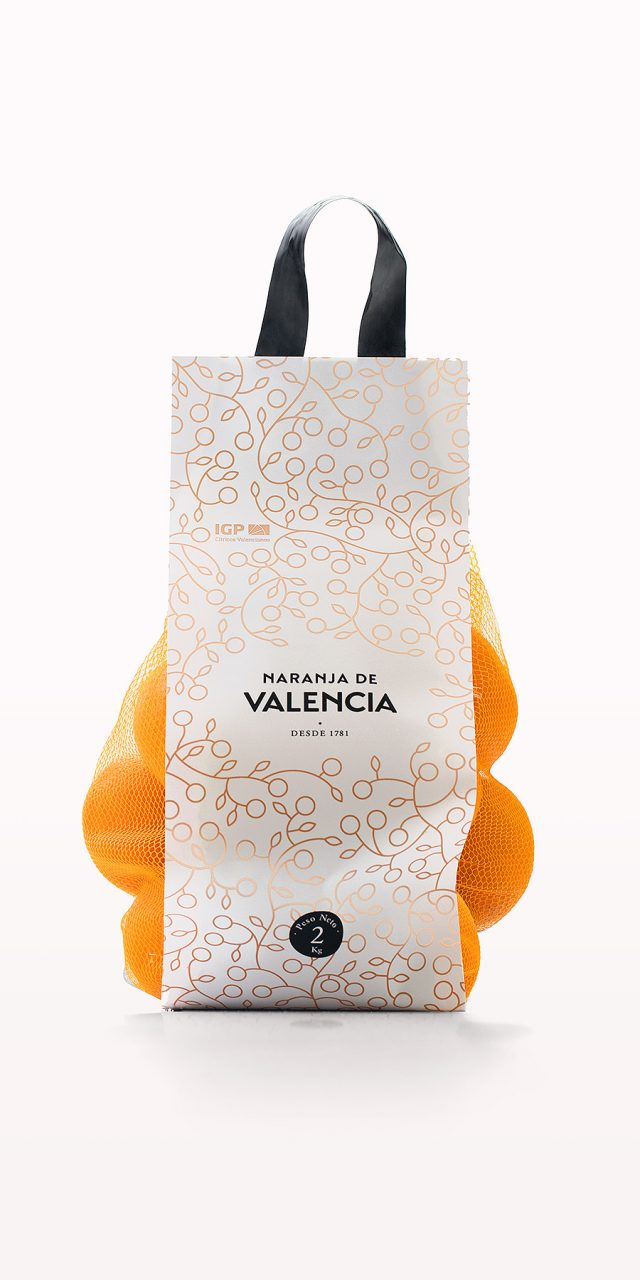
Naranja de Valencia
A group of producers and exporters made use of the PGI (Protected Geographical Indication), which guarantees that the oranges they distribute worldwide are grown in Valencia and therefore benefit from its well-established reputation for quality. The name of the brand is clear and direct: Naranjas de Valencia—or Valencia Orange in its English version.
All brand applications are centred around the point of sale: boxes, mesh bags, signage, carrier bags, T-shirts for greengrocers, and a website. In the logo, the word Valencia takes visual precedence, as the presence of the oranges themselves—displayed in boxes or mesh bags—makes it almost unnecessary to specify the product.
The chosen sans-serif typeface has been subtly modified to evoke the traditional lettering used on orange labels in the mid-twentieth century, a period in which this graphic tradition flourished, particularly during the first half of the century. The visual identity also incorporates a second key element that complements the logo: an illustration used as a recurring motif pattern, applied across different media such as wrapping paper, signage, bags, and the website.
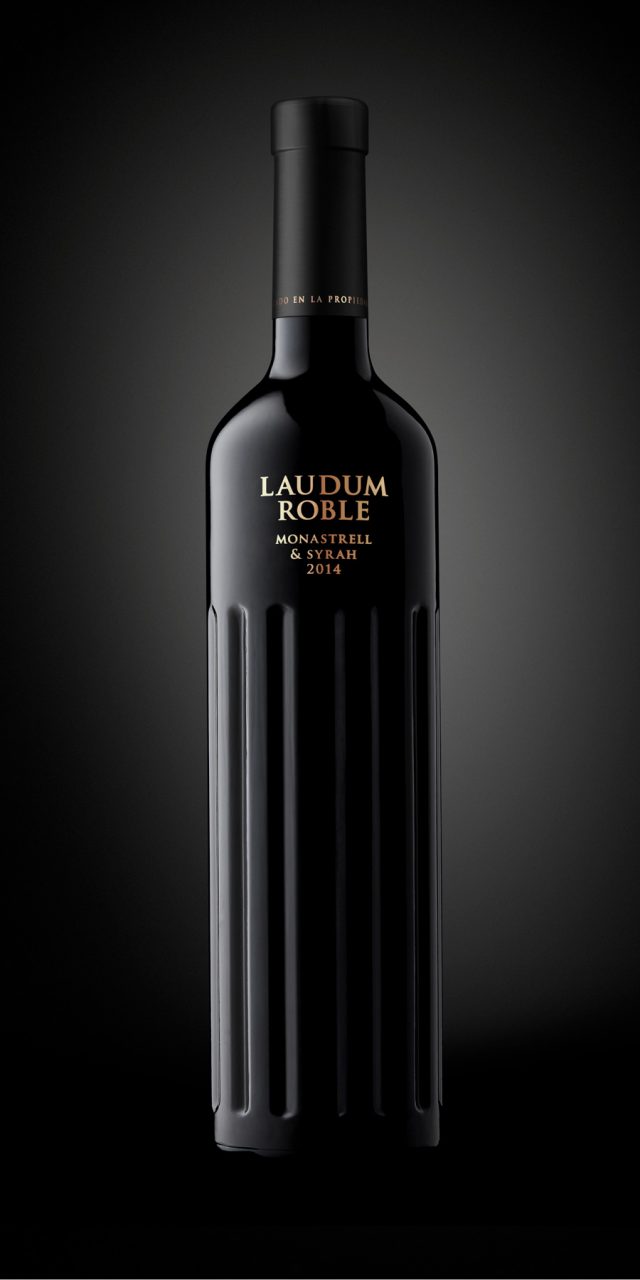
Laudum
Laudum is the genitive plural of laus, the Latin word meaning praise, glory, or fame. For a name of such classical origin, with strong Roman connotations, we designed a bottle that draws inspiration from Ionic and Corinthian columns, incorporating elements of ancient Roman temple architecture.
The relationship between viticulture and the temple is age-old. The column, as part of the temple, rises towards the sky; it embodies history and art—just as wine does.
Photography: Guillem López